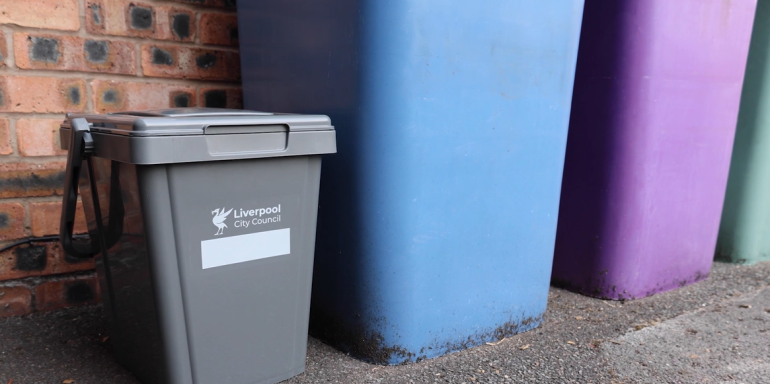
With approximately 15,000 more properties receiving weekly food waste collections from this week, Councillor Laura Robertson-Collins, Cabinet Member for Communities, Neighbourhoods and Streetscene discusses why it’s so important to get involved.
After a really successful first phase of our weekly food waste collection rollout, more households will soon start getting collections as we work towards providing the service for the whole city.
We started collections months before they become mandatory from April next year because we believe that reducing waste and emissions is vital.
Based on what we’ve seen in the first phase, the households who have taken part agree. In just six weeks, over 100 tonnes of food waste was collected – that’s around 1.2kg per household per week, the equivalent of nearly 50 bags of crisps.
Rather than filling up people’s purple bins – and we estimate that food waste takes up about a third of the average bin – it is now being collected separately. Those collections are made every week, which shaves a whole week off the time the food would have been left sitting in a purple bin.
What we’ll see is a lot less need for purple bins and a lot more capacity for recycling. To help save space and support our recycling efforts, additional purple bins for households that don’t meet the eligibility criteria are being removed. That’s only the case for areas that have received their food waste caddies.
Households who are eligible to have an additional purple bin are those with:
- Six or more residents
- Residents who have a condition that generates healthcare waste, such as incontinence pads, pegs or stomach feeding items, and stoma or catheter bags
Improving Liverpool’s recycling rate is a priority for us and, to support residents with their recycling, we’re also providing additional blue bins free of charge to households who use wheeled bins and need more space for recyclable materials
Not only that, but recycling food waste will have a positive impact financially too. Currently, waste that is sent for incineration costs taxpayers more than that which can be recycled.
Also, because it is taken to be anaerobically digested, food waste is now generating renewable energy and making nutrient-rich compost instead being incinerated.
Food waste contributes significantly to greenhouse gas emissions when it’s burned, so this recycling has already had a big impact on Liverpool being a greener city. With each phase bringing more collections, that impact will only grow bigger.
We can all make this rollout an even bigger success by working together. By separating unwanted and leftover food from regular rubbish and leaving out your grey food waste caddy every week, you’re helping Liverpool to be more a more sustainable place.