

People living in some of Liverpool’s neighbourhoods can expect to live significantly shorter and less healthy lives than those in more affluent parts of the city. Tackling these inequalities remains one of the biggest challenges facing Liverpool, but a growing partnership between communities, health services, researchers and local organisations is demonstrating that lasting change starts at neighbourhood level.
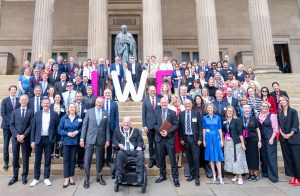
ReCITE’s Festival of Learning (18 June 2026) brought together residents, voluntary organisations, NHS partners, researchers, the public sector, and creative practitioners to tackle some of the issues that contribute to poor health and shorter life expectancy. Their work is helping to build trust, improve access to services and develop solutions that reflect the realities of local people’s lives.
Deputy Leader of Liverpool City Council, Councillor Ruth Bennett, said:
“The most persistent and unfair differences in health outcomes cannot be solved by services alone. They require approaches that build trust, strengthen relationships, increase community power and create genuine opportunities for people to shape solutions themselves.
“What ReCITE demonstrates is the strength of partnership working across our city. By bringing together communities, voluntary organisations, health services, researchers and creative partners, we are developing solutions that are rooted in local experience and driven by the priorities of the people they are designed to support.”
The projects highlighted through ReCITE focus on some of the health challenges that have the greatest impact on communities across Liverpool.
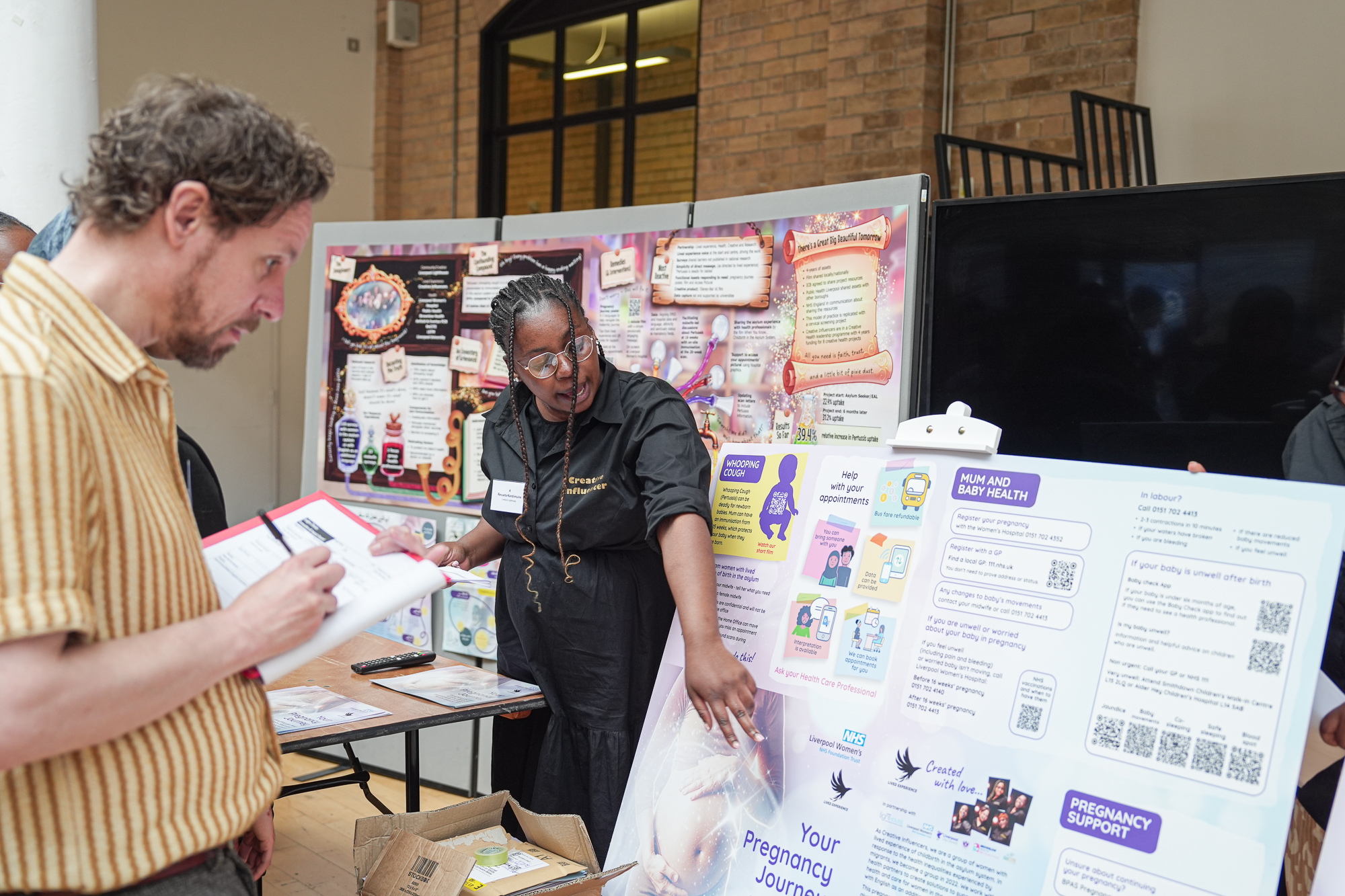
In central Liverpool, Liverpool Lighthouse is working with local families to improve awareness and uptake of whooping cough vaccinations during pregnancy, helping to protect babies from a serious and potentially life-threatening illness.
In North Liverpool, the Lungevity project is supporting efforts to improve awareness of lung cancer symptoms and encourage earlier engagement with healthcare services. Earlier diagnosis can significantly improve treatment outcomes and survival rates.
Rotunda‘s North Liverpool Lives project is working alongside men in Vauxhall and Kirkdale to address social isolation and improve mental wellbeing, recognising the strong links between loneliness, poor mental health and wider health inequalities.
The High Intensity Users project is bringing together health services and community partners to better support people with complex needs who frequently access emergency care, helping individuals receive the right support earlier while reducing pressure on frontline services.
Stay Healthy Liverpool is working with migrant, refugee and asylum-seeking communities to improve access to trusted health information and tackle barriers that can prevent people from accessing support when they need it.
The Walton Centre’s Seize Control: My Epilepsy, My Body, My Choice project is helping people living with epilepsy gain confidence, knowledge and greater control over their health and wellbeing.
Meanwhile, young people involved in the Innov8 Community Innovation Team in Liverpool 8 are helping raise awareness of Type 2 diabetes and healthy lifestyles, supporting prevention and encouraging healthier choices from an early age.
While each project addresses a different challenge, they share a common goal: preventing illness, improving wellbeing and ensuring communities that often experience the greatest health inequalities have a stronger voice in shaping the solutions.
Dr Dawn Holford, ReCITE Research Lead, said:
“Learning from our collective stories is how we seed the change we need.
“The communities involved in ReCITE bring knowledge, relationships and lived experience that are essential to tackling health inequalities. When organisations work alongside communities as equal partners, we create solutions that are more relevant, more trusted and ultimately more effective.”
Amina Ismail, Community Innovation Team member, said:
“The people who live, work and care within communities are often the people who understand those communities best. They hold the stories, the relationships, the knowledge and the insight that can sometimes be missed when decisions are made from a distance.
“When communities are involved from the beginning, not simply consulted at the end, solutions become more relevant, more trusted and more likely to make a lasting difference.”
Liverpool City Council’s Public Health team believes the programme offers an important model, bringing together community insight, local leadership and public services to tackle the root causes of poor health.
Melissa Campbell, Liverpool City Council Public Health Consultant, said:
“Health inequalities are not inevitable. They are driven by a complex range of social, economic and environmental factors, and addressing them requires collective action.
“What makes ReCITE different is its focus on partnership. Communities, health professionals, researchers and organisations are working together as equals, combining local knowledge with evidence and expertise to develop solutions that reflect the needs of local people.
“This work aligns strongly with Liverpool City Council’s commitment to improving health and wellbeing, supporting prevention and creating opportunities for residents to play a meaningful role in shaping the future of their communities.”
The ReCITE Festival of Learning highlighted the growing impact of this approach and reinforced a powerful message: tackling health inequalities is not the responsibility of any one organisation. It requires strong partnerships, shared learning and communities at the heart of change.
Find out more about ReCITE: https://lstmed.ac.uk/projects/recite/