

Plans for a once-in-a-generation transformation of Liverpool’s North Docks have moved a major step closer after the Liverpool City Region Combined Authority unanimously backed the next stage of proposals to create a dedicated Mayoral Development Corporation (MDC).
Mayor Steve Rotheram will now progress the statutory process and formally ask the Secretary of State to establish the Liverpool North Docks Mayoral Development Corporation.
The proposed MDC would bring together the powers, partnerships and investment needed to accelerate regeneration across one of Liverpool’s largest brownfield areas and help overcome longstanding barriers including fragmented land ownership, infrastructure constraints and complex delivery arrangements.
Councillor Liam Robinson, Leader of Liverpool City Council, said: “This is a hugely important moment for Liverpool and for the future of our waterfront.
“The North Docks represents one of the largest regeneration opportunities in the country. The creation of a Mayoral Development Corporation will help ensure we can maximise its economic, social and environmental potential and will re-establish Liverpool’s world renown waterfront into an area that will benefit all our residents.
“Working in partnership with the Combined Authority, local communities and the private sector, we can create new homes, jobs and opportunities while enhancing connectivity and creating a sustainable extension of Liverpool city centre and connect in wider north Liverpool.”
The plans could help unlock up to 17,000 new homes alongside millions of square feet of commercial and employment space, new public realm, green spaces and major infrastructure improvements.
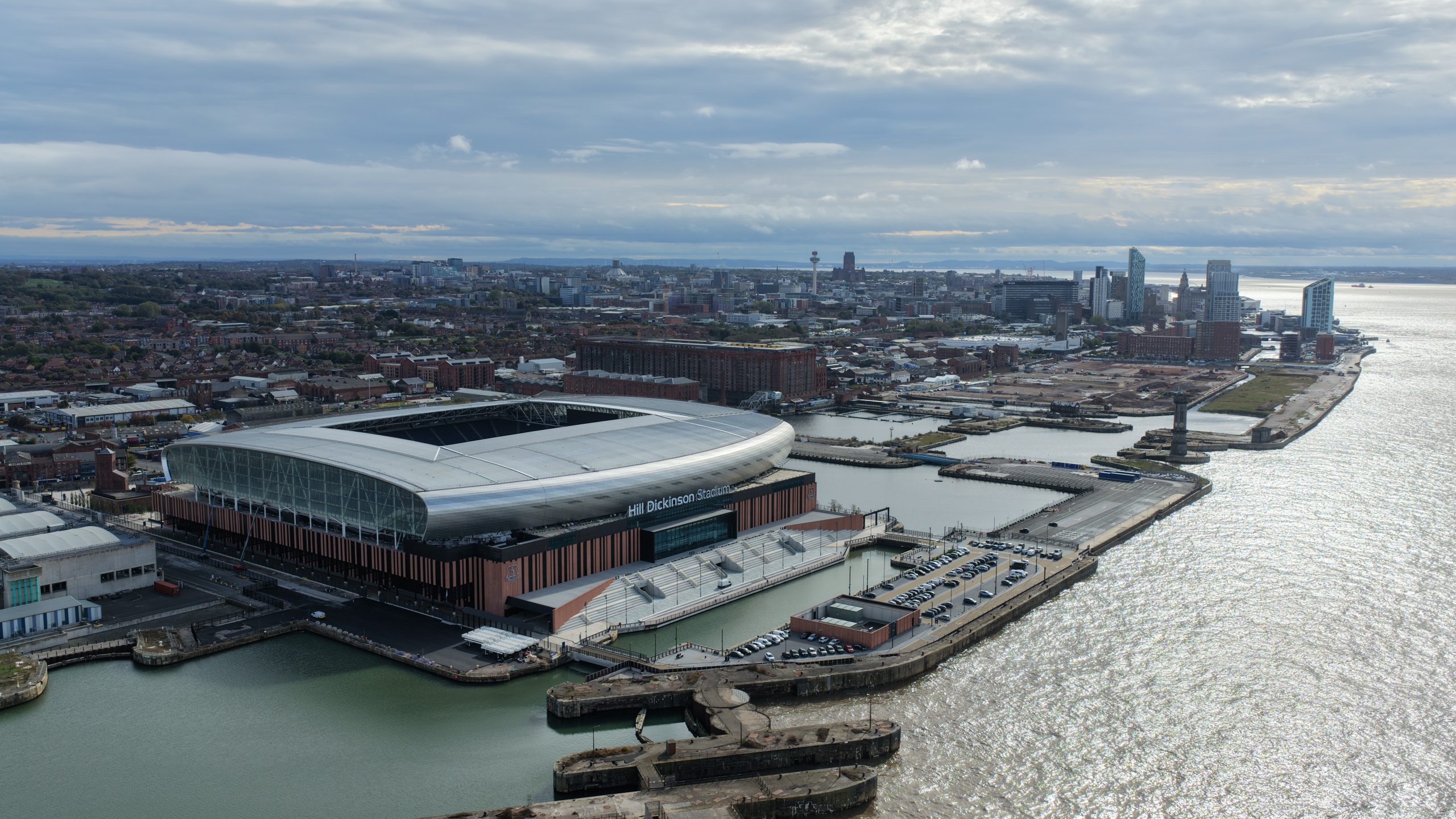
Stretching from the city centre waterfront towards Everton FC’s Hill Dickinson Stadium, the North Docks is already home to billions of pounds of planned and ongoing investment – but the scale and complexity of the area means bringing those opportunities together will require a long-term, coordinated approach.
The proposed MDC would provide a single, dedicated body focused on getting stalled sites moving, coordinating investment, bringing forward infrastructure and creating the conditions for new homes, jobs and businesses to flourish.
The decision follows a six-week statutory public consultation which showed strong backing for the proposals, with 85.2% of respondents to the relevant question supporting the creation of an MDC.
Steve Rotheram, Mayor of the Liverpool City Region, said: “Anyone who knows Liverpool knows just how much potential there is in the North Docks. You only have to stand there and look around to see the scale of the opportunity in front of us.
“For years, people have talked about what this part of the city could become. The challenge now is turning that potential into something real – new homes, good jobs, better public spaces, more public services and a new neighbourhood that feels like it belongs to Liverpool and benefits the people who already call this city home.
“The problem has never been a lack of ambition. It’s been the sheer complexity of getting so many different sites, landowners, bits of infrastructure and investment moving in the same direction. That’s exactly what an MDC can help us do.
“What really matters to me is that we get this right. People were overwhelmingly supportive of the plans, but they also told us very clearly what they expect from us – affordable homes, proper transport, respect for our heritage, transparency and a genuine voice for local communities. I agree with them.
“Today is another big step forward. Now we can finally start joining the dots and turning one of Liverpool’s greatest untapped opportunities into a place that creates jobs, homes and opportunity for generations to come.”
The announcement comes as the Liverpool City Region Combined Authority and Homes England move towards agreeing a new enhanced delivery partnership designed to accelerate major regeneration, housing and infrastructure projects across the region – one of the first arrangements of its kind in England.
At the heart of the partnership will be the creation of a Joint Delivery Unit, bringing together colleagues from Homes England and the Combined Authority to work jointly on a range of major projects and help accelerate growth and housebuilding across the Liverpool City Region.
The partnership is in the final stages of being agreed and will strengthen the region’s ability to bring forward complex development opportunities, align investment and support delivery at scale.
The North Docks already contains a significant pipeline of investment and regeneration, including:
- Central Docks at Liverpool Waters, including a major new urban park supported by £55m of government funding and £26m of investment from Peel Waters
- The proposed £1bn King’s Liverpool development
- A major Grade A office development at Pall Mall
- The continued regeneration of the historic Stanley Dock complex
- Further investment in Liverpool Cruise Terminal
- Everton FC’s new Hill Dickinson Stadium and the wider regeneration opportunity around it
The proposed MDC would help bring those opportunities together as part of a coordinated,
long-term approach to the regeneration of the wider area.
The six-week consultation ran between 2 July and 14 August 2026 and received 537 responses.
Alongside the 85.2% support for establishing the MDC, 79.3% of respondents agreed it should act as the Local Planning Authority for major development proposals within the area, while 72.7% backed the proposed boundary.
Respondents also highlighted issues they wanted to see addressed as the plans develop, including governance and accountability, transport capacity, protection of Liverpool’s heritage, affordable housing and continued community involvement.
Subject to completion of the remaining statutory process and approval from the Secretary of State, the Liverpool North Docks MDC would be established as a dedicated regeneration body.
Further work will now take place on the detailed business case, governance arrangements and powers of the proposed corporation before any operational functions are transferred.
The proposals sit alongside wider work to develop a city region approach to strategic regeneration, bringing housing, transport, infrastructure and investment together rather than treating major projects in isolation.