

Liverpool is strengthening its campaign against gambling-related harm after research revealed that almost 12% of people who gamble in the city are experiencing gambling-related harm, nearly double the national average for England.
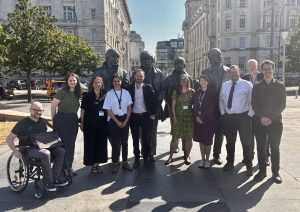
The findings were at the centre of a citywide workshop bringing together health leaders, community organisations, gambling support services and people with lived experience to discuss how Liverpool can better prevent harm, support recovery and protect future generations.
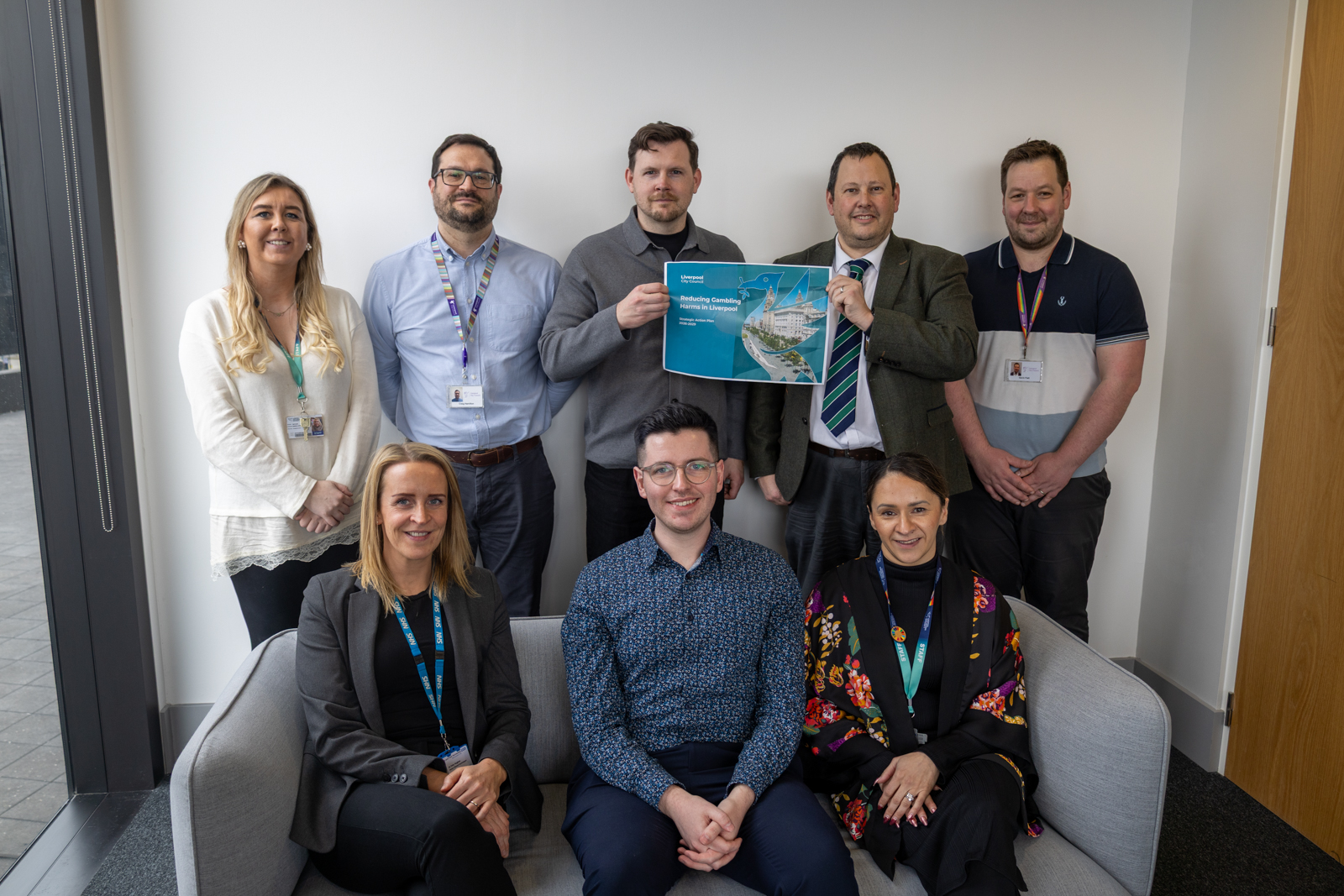
As part of the continuation of Liverpool’s Reducing Gambling Harms Action Plan, the event brought together representatives from Liverpool City Council, NHS Northern Gambling Service, The Big Life Foundation, the Office for Health Improvement and Disparities (OHID), Gambling Harm UK, Chapter One, Rotunda, First Person CIC and the Coalition to End Gambling Ads (CEGA), among others.
The workshop highlighted growing concerns about the impact gambling is having on families, communities, young people and students, with partners warning that harmful gambling often remains hidden until it reaches crisis point.
Liverpool has emerged as one of the leading local authorities advocating for a public health approach to gambling harms and recently joined the Coalition to End Gambling Ads (CEGA), supporting calls to reduce the impact of gambling advertising and its influence on vulnerable groups.
Research commissioned by Liverpool City Council and conducted by Liverpool John Moores University found that almost 30% of adults in Liverpool had gambled in the previous 12 months, while around 25,000 adults experienced gambling harm within their household during childhood, demonstrating how the effects can be felt across generations.
A powerful contribution came from a representative from The Big Life Foundation, who shared their lived experience of gambling harm. They described gambling as causing the most significant level of harm to their wellbeing and spoke candidly about using alcohol and drugs to mask the pain of the cycle they were in. Their story served as a reminder that gambling harm is often hidden, with many people suffering in silence until problems reach crisis point.
The testimony reinforced a key message that ran throughout the workshop, recovery begins when people feel able to seek support without fear, stigma or judgement. However, speakers also highlighted that the harms caused by gambling are a complex and often long-term issue that can affect individuals, families and communities. Recovery rarely happens overnight and requires ongoing support, understanding and encouragement.
By providing sustained support and early intervention, partners hope to break the cycle of harm, helping people rebuild their lives, restore relationships and reduce the impact on future generations.
Councillor Harry Doyle, Liverpool City Council’s Cabinet Member for Health, Wellbeing and Culture, said:
“Gambling harm is a public health issue that can have a devastating impact on individuals, families and communities. Tackling it requires a joined-up approach, which is why it is so important to bring together partners from across the city to share learning, identify opportunities and agree collective action.
“By working together and taking steps such as joining the Coalition to End Gambling Ads, we are helping to create a healthier environment and reducing the risk of harm for Liverpool residents.
“Asking for help is a sign of strength, not shame.”
Professor Matthew Ashton, Director of Public Health for Liverpool, said:
“We know that gambling-related harm can affect people’s mental health, finances, relationships and overall wellbeing.
“Liverpool has taken a clear public health approach to this issue, focusing on prevention, early intervention and ensuring support is available when people need it. The workshop demonstrated the strength of our partnerships across the city and the shared commitment to building a system that recognises harm earlier, improves awareness and makes it easier for people to access help.”
Partners concluded the event with a renewed commitment to strengthening support across Liverpool, improving awareness among frontline services and ensuring people affected by gambling harm can get help before problems escalate.
By combining evidence-led policy, community partnerships and advocacy on gambling reform, Liverpool aims to create a city where the impacts of gambling are recognised earlier, support is easier to access, and fewer families experience the lasting consequences of gambling related harms.
Read the Reducing Gambling Harms Action Plan on the Liverpool City Council website: https://liverpool.gov.uk/media/1aad4ncx/reducing-gambling-harms-march-2026.pdf