

A new policy to significantly cut emissions from the Council’s vehicle fleet will go before Cabinet next week, outlining a clear pathway toward cleaner, more sustainable operations.
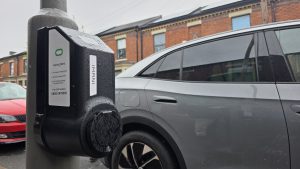
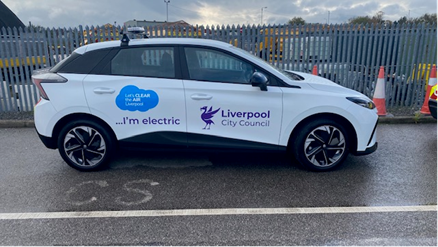
If the policy is approved, vehicles owned and operated by the Council that are coming to the end of their life cycle will be switched to EVs where possible.
Where this isn’t possible, and for vehicles that are not due for renewal soon, the Council will explore the use of Hydrogenated Vegetable Oil (HVO) as a fuel source.
HVO is a fossil-free, renewable alternative to diesel, made from waste materials such as used cooking oil, animal fats and vegetable oils.
Any vehicle that runs on diesel is able to use HVO without any modifications, meaning the Council’s fleet will be able to achieve substantial emissions reductions in a short timeframe.
There are currently 568 vehicles in use by the Council, from small cars and vans to large HGVs which are used for waste collection.
In 2019, the fleet of vehicles contributed 3,395 tonnes of CO2, approximately 16.3 per cent of the total emissions for the Council.
While there are 36 electric vehicles (EVs), 143 hybrids and 20 vehicles fuelled by Compressed Natural Gas (CNG) in operation, the policy will ensure that all vehicles that can switch to sustainable fuelling methods do so at the earliest opportunity.
According to research by the Department for Energy Security & Net Zero (DESNZ), HVO, while being slightly more expensive than diesel, could result in a reduction in CO2 emissions of up to 98 per cent.
Transitioning to HVO as a fuel source and switching to EVs where possible is a significant step towards the Council’s goal to becoming net zero by 2030.
It also plays a key role in supporting the Council’s Air Quality Action Plan, which looks to improve the air quality in Liverpool, creating a healthier environment for residents and visitors.
Councillor Liam Robinson, Leader of Liverpool City Council said: “This policy is a major step forward in reducing the Council’s carbon footprint and improving the air quality in our city.
“This is about leading by example and showing that practical, affordable changes can help us reach our net‑zero ambitions while delivering cleaner, healthier neighbourhoods for everyone in Liverpool.”