

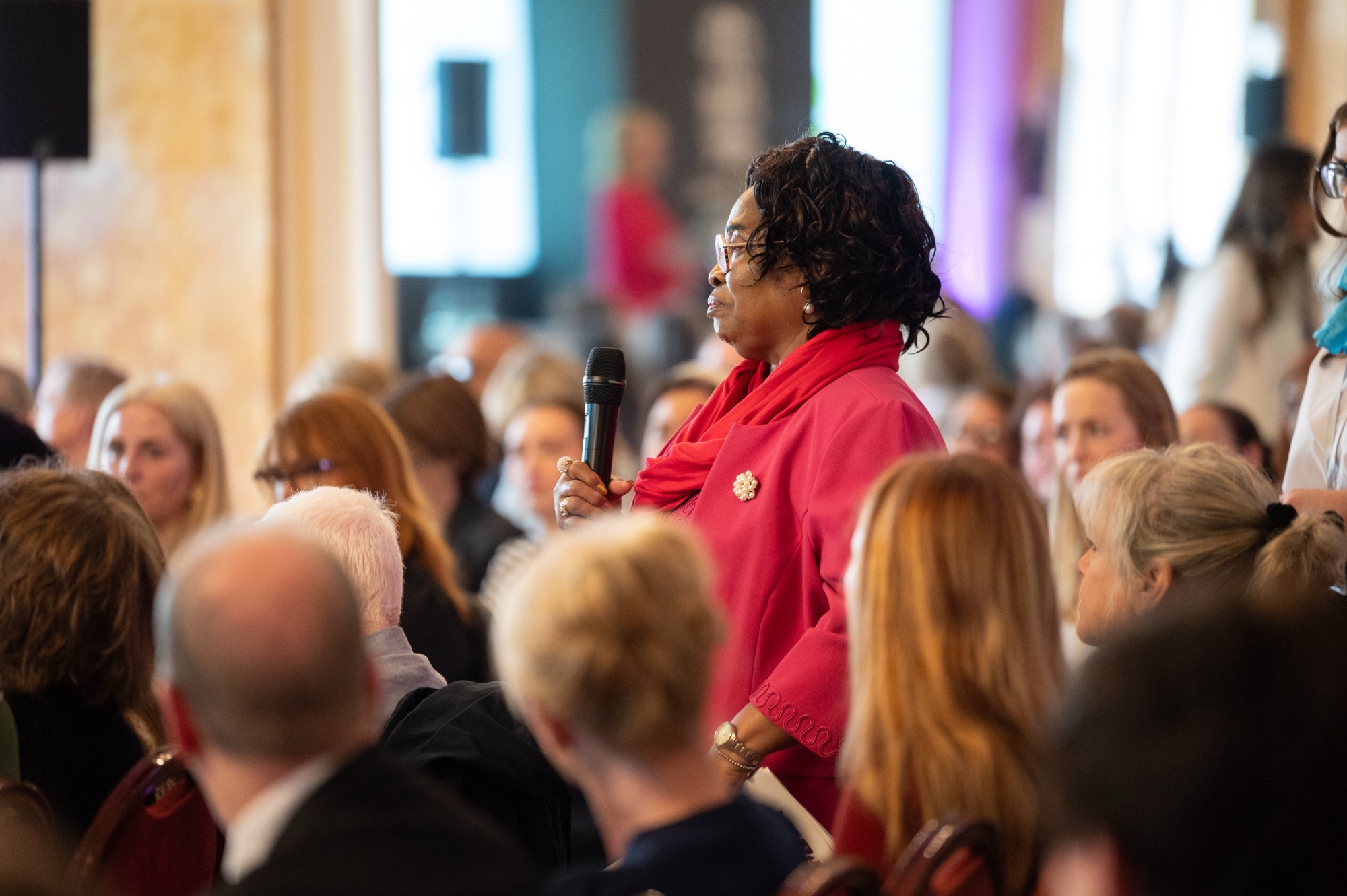
Today, Liverpool City Council brought together women, communities, health partners and leaders from across the city to advocate for improved women’s health and to begin the next phase of work to reduce long‑standing inequalities.
The Women’s Health Conference brought women with lived experience together with community organisations, frontline professionals and system leaders to share evidence, listen to experiences and strengthen collective advocacy for women’s health in Liverpool.
Women in Liverpool experience poorer health than women nationally, developing illness earlier and spending more of their lives in poor health. Many women experience ill health around 10 years earlier than women elsewhere and spend around 30% of their lives in poor health. Women are also more likely to die early from preventable causes, with a wider inequality gap than is seen for men.
These outcomes are shaped by persistent social, economic and gender inequalities. Women in Liverpool are more likely to experience poverty, low‑paid or insecure work, unpaid caring responsibilities and the long‑term effects of trauma, all of which have a cumulative impact on physical and mental health across the life course.
Mental ill health is a significant and growing concern. Depression affects around 17% of women in Liverpool and nearly 30% of women in midlife. Preventable risk factors, including smoking, obesity, alcohol and drug use, continue to contribute to avoidable illness, with drug‑related deaths among women more than three times the England average.
Women’s specific health needs are not always recognised or well supported. Conditions such as endometriosis, menstrual and menopause‑related health issues are often under‑diagnosed or poorly managed, while waiting times for gynaecology services remain among the longest of any specialty. As women make up an increasing proportion of Liverpool’s older population, healthy ageing is also a major priority, with high levels of preventable illness including cardiovascular disease, cancer, respiratory disease and falls.
Through engagement with women across the city, a consistent message has emerged. Many women do not feel listened to, believed or supported when seeking help. Barriers to accessing services, long waiting times and fragmented pathways contribute to poor experiences. At the same time, women have highlighted the vital role of community organisations, peer support and trusted local networks in supporting health and wellbeing.
The conference provided a shared space for these experiences and evidence to be heard, and for partners across the system to reflect on how they can work differently together. It recognised that improving women’s health cannot be achieved by the health system alone, but requires sustained collaboration across local government, the NHS, the voluntary and community sector, education, housing and employment.
Councillor Liam Robinson, Leader of Liverpool City Council, said:
“Today is about recognising women as experts in their own lives and partners in shaping our city’s future. This conference is a clear signal that we are listening and that we are committed to making practical, measurable change. Women’s health matters, and it matters now.”
Councillor Harry Doyle, Cabinet Member for Health, Wellbeing, and Culture, said:
“Women’s health is a shared responsibility. It affects families, communities and future generations, and it requires all of us to listen, learn and support change. When women are healthy and heard, families are stronger and communities are better able to thrive. This conference reflects Liverpool at its best. Everyone coming together, backing one another, and working collectively to build a fairer, healthier future for everyone.”
Councillor Rahima Farah, Assistant Cabinet Member for Health, Wellbeing, and Culture, said:
“This report highlights that women’s health in Liverpool is not one shared experience, but many different ones, shaped by ethnicity, disability, age, poverty, caring roles, migration status and the neighbourhoods women live in. Women and girls across communities tell us they face different barriers to care, from language and cultural expectations to discrimination, trauma and unequal access to services. Too many still feel unheard or unsupported. Improving women’s health means recognising these differences, valuing lived experience, and working alongside communities to tackle the wider inequalities that affect women’s health.”
Professor Matt Ashton, Director of Public Health for Liverpool City Council, said:
“We know the data and we know the challenges. What makes today different is the focus on delivery. By bringing together lived experience, community leadership and system decision‑makers, we are creating the conditions for real progress. This is about working differently, and better, for women in Liverpool.”
Dr Fiona Lemmens, Executive Clinical Director, NHS Cheshire and Merseyside, said:
“As system leaders, we have a responsibility to respond differently, by applying a women’s health lens across services, improving access to timely and appropriate care, and strengthening prevention and early intervention throughout the life course. This requires coordinated action across the NHS, local government and partners, informed by women’s lived experience. We are committed to working together across the system to reduce inequalities and deliver measurable improvements in women’s health outcomes.”
The Women’s Health Conference reflects a shared ambition across Liverpool: to advocate collectively for women’s health, to listen to women’s experiences, and to build momentum for sustained system‑wide change. It marks the start of continued work to secure commitments from leaders that will lead to real improvements in women’s day‑to‑day lives.
Read the Health of Women in Liverpool report on the Liverpool City Council website: The Health of Women in Liverpool