


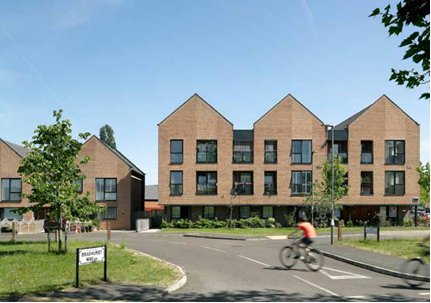
Liverpool City Council is set to take a major step towards delivering thousands of new homes for residents, as Cabinet considers the publication of the city’s proposed new Local Plan.
The Liverpool Local Plan to 2043 provides for a minimum of 33,552 new homes over the next 17 years, with ambitions to exceed this Government set target, enabling the city to meet future housing needs while supporting economic growth and regeneration. The Plan will also ensure a choice and diversity of new homes for our current and future residents including affordable homes, that are sustainable , inclusive and high quality.
Local Plans are statutory documents that every local planning authority is required by Government to prepare.
They set out where development should take place, what type of development is needed, and the planning policies that will be used to assess future planning applications.
Once adopted, Liverpool’s Local Plan will become the primary basis for planning decisions across the city, providing certainty for residents, communities, developers and investors.
The proposed Plan identifies where new housing growth can take place and allocates sites capable of delivering new homes. It prioritises previously developed brownfield land and focuses growth on key regeneration areas including North Liverpool, the North Docks, Ten Streets, Pumpfields and Limekilns, and Festival Gardens.
In addition to setting housing targets, the Local Plan requires development to be supported by appropriate infrastructure, including schools, health facilities, transport links and green spaces, helping to create sustainable and vibrant communities.
Cllr Nick Small, Cabinet Member for Economy and Growth, said: “Like every council in the country, Liverpool is required to have an up-to-date Local Plan that sets out how we will meet future housing needs and manage growth in a sustainable way.
“This Plan provides a clear strategy for delivering more than 33,500 new homes by 2043, with a strong focus on brownfield land and areas where regeneration can have the greatest impact.
“It will help ensure Liverpool has the homes it needs for current and future generations, while also delivering the infrastructure, green spaces, transport links and services that create thriving communities.
“Importantly, it gives residents, developers and investors certainty about where growth should happen and helps us secure the right development in the right places.”