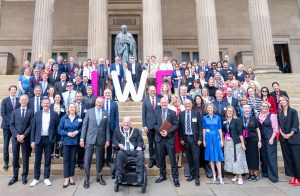


Community organisations, health providers, researchers and strategic leaders came together at The Florrie in Liverpool on 18 June for the final event in the ReCITE Festival of Learning – a day of reflection, shared learning and celebration that highlighted the power of communities working as equal partners in creating change.
Bringing together partners from across Liverpool and the wider city region, the event marked the culmination of a series of Learning Events that created space for exchanging ideas, sharing experiences and celebrating achievements. More importantly, the Festival of Learning has demonstrated what is possible when communities, health services, creatives and researchers come together to move beyond traditional approaches and co-create solutions rooted in the strengths, experiences and priorities of local people.
Putting communities at the heart of change
Opening the event, Deputy Leader of Liverpool City Council, Cllr Ruth Bennett, highlighted the importance of partnership working and community-led approaches in tackling health inequalities.
“The most persistent and unfair differences in health outcomes cannot be solved by services alone. They require approaches that build trust, strengthen relationships, increase community power, and create genuine opportunities for people to shape solutions themselves.”
Cllr Ruth Bennett, Deputy Leader of Liverpool City Council
In her keynote address, Dr Dawn Holford, ReCITE Co-PI, explored why creative, community-led approaches are not just valuable but essential to tackling health inequity. She reflected on what the programme continues to teach us about building trust, strengthening relationships and creating conditions for meaningful, lasting change happen.
“Learning from our collective stories is how we seed the change we need.”
Dr Dawn Holford, Lecturer University of Bristol, ReCITE Co Principal Investigator
Sometimes it starts with a conversation. Sometimes it starts with someone being listened to
Throughout the day, Community Innovation Teams (CITs) brought their ReCITE approach to life, sharing how health professionals, community organisations, volunteers, creatives and people with lived experience are working together to understand local challenges and co-design solutions that reflect what communities need.
The diabetes awareness project offered a powerful and inspiring reminder of why involving young people matters and how their voices are helping to shape healthier communities right now.
Six Liverpool-based CIT projects then showcased the creativity, commitment and strong partnerships that define the ReCITE approach.
- Protect your baby from whooping cough – Liverpool Lighthouse, Central Liverpool
Liverpool Lighthouse is working with local families to improve awareness and uptake of whooping cough vaccinations during pregnancy, helping to protect babies from a serious and potentially life-threatening illness.
- Lungevity – Anfield/Everton PCN, North Liverpool
This project is supporting efforts to improve awareness of lung cancer symptoms and encourage earlier engagement with healthcare services. Earlier diagnosis can significantly improve treatment outcomes and survival rates.
- High Intensity Users – Aintree ED, North Liverpool, Knowsley and Sefton
Bringing together health services and community partners to better support people with complex needs who frequently access emergency care, helping individuals receive the right support earlier while reducing pressure on frontline services.
- North Liverpool Lives – Rotunda, Men’s Mental Health Living in Vauxhall and Kirkdale
Rotunda’s North Liverpool Lives project is working alongside men in Vauxhall and Kirkdale to address social isolation and improve mental wellbeing, recognising the strong links between loneliness, poor mental health and wider health inequalities.
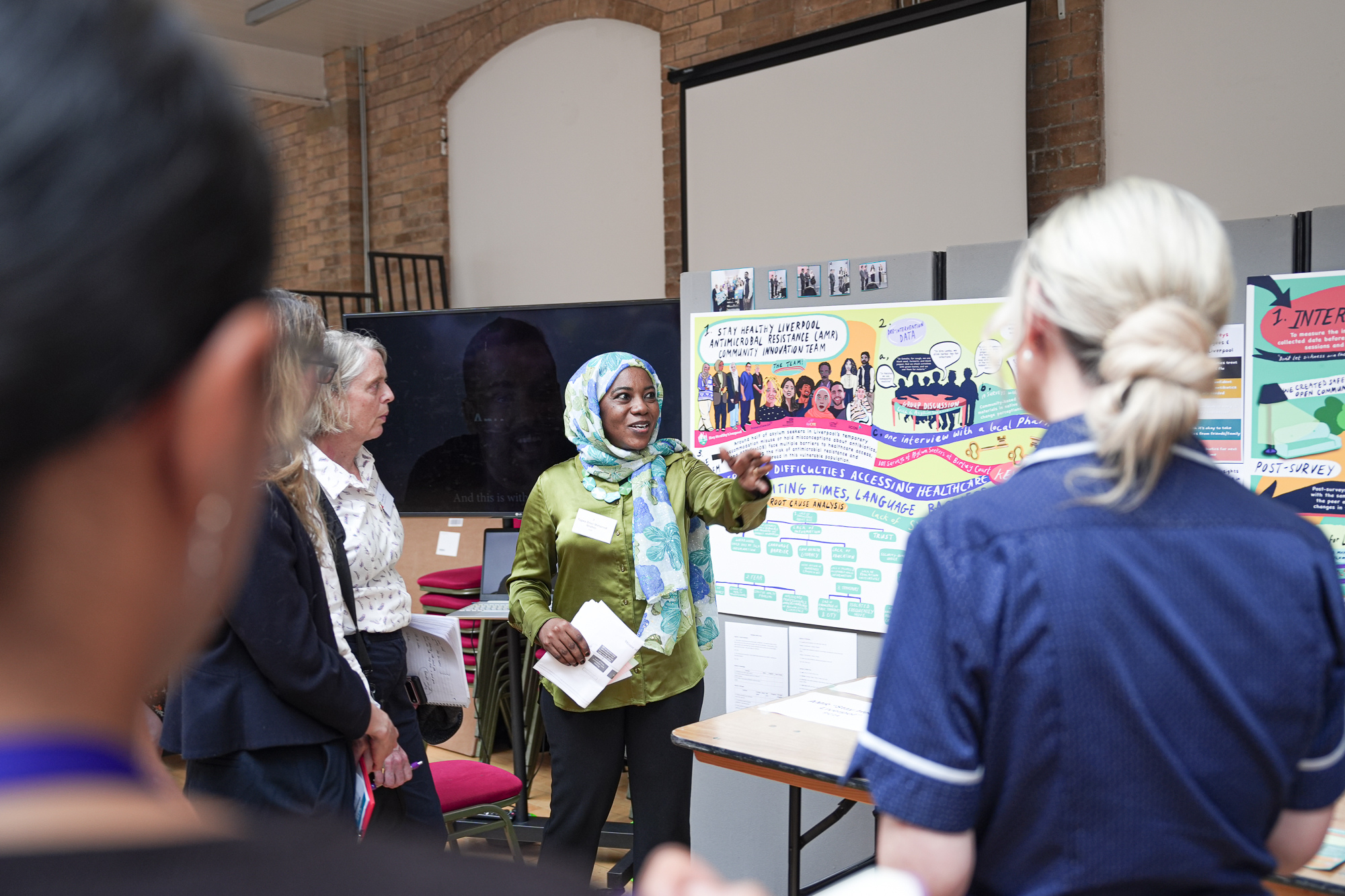
- Stay Healthy Liverpool, Antimicrobial Resistance (AMR) – PC24
Stay Healthy Liverpool is working with migrant, refugee and asylum-seeking communities to improve access to trusted health information and tackle barriers that can prevent people from accessing support when they need it.
- Seize Control: my epilepsy, my body, my choice – Walton Centre, Central Liverpool
Helping people living with epilepsy gain confidence, knowledge and greater control over their health and wellbeing.
Through presentations, storytelling and the CIT Storyboard Walkabout, participants reflected on what really makes a difference: listening to communities, breaking down organisational silos and consistently showing up to build the trust and relationships that fuel innovation and collaboration.
“Because the people who live, work and care within communities are often the people who understand those communities best. They hold the stories, the relationships, the knowledge and the insight that can sometimes be missed when decisions are made from a distance.”
Amina Ismail, Senior Community Mobiliser, LSTM
Creativity as a catalyst for connection
The day wasn’t just about talking about creativity it was an opportunity to experience it. Performances from The Comedy Trust and Collective Encounters, alongside the Creative Assets Showcase, demonstrated how creativity can create connection, open up new conversations and provide new ways for people to share their experiences.
We’re getting to a point where people are accepting creative and alternative approaches as a legitimate way of addressing these issues rather than a nice-to-have. It’s starting to get closer to a must-have.”
Sam Avery, The Comedy Trust
These creative contributions strengthened the learning shared throughout the day, reinforcing the powerful role that arts and culture can play in improving health and reducing inequalities.
Looking ahead
The afternoon panel discussion focused on what comes next, exploring how the Community Innovation Team model can actively support the NHS Neighbourhood Health approach and how these ways of working can be embedded more widely.
Throughout the discussion, speakers from across public health, local government, the voluntary sector and the creative sector shared a common message: lasting change happens when communities are treated not as recipients of services, but as equal partners in shaping them.
“Communities are not recipients, but they’re partners.”
Melisa Campbell, Associate Director of Public Health at Liverpool Council
ReCITE has already established Community Innovation Teams across Liverpool, Knowsley and Sefton, bringing together routine health data with community insight to co-develop and evaluate hyperlocal solutions focused on prevention and improving service uptake. The result is stronger partnerships, fewer silos and innovative approaches that build trust and reduce health inequalities.
More than a celebration of what has been achieved, the Liverpool Learning Event created real momentum for what comes next. The insights, relationships and experiences shared throughout the Festival of Learning will continue into the forthcoming Knowledge Uptake Event, bringing together regional and national stakeholders to explore how community-led, creative approaches can help shape the future of neighbourhood health.
Hope, creativity, partnership and collaboration are the foundations on which healthier, more connected and more equitable communities can be built.
Find out more about ReCITE on the Liverpool School of Tropical Medicine website: https://lstmed.ac.uk/projects/recite/