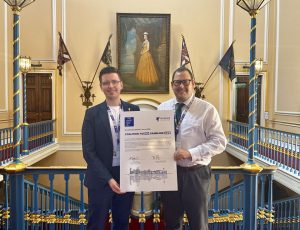


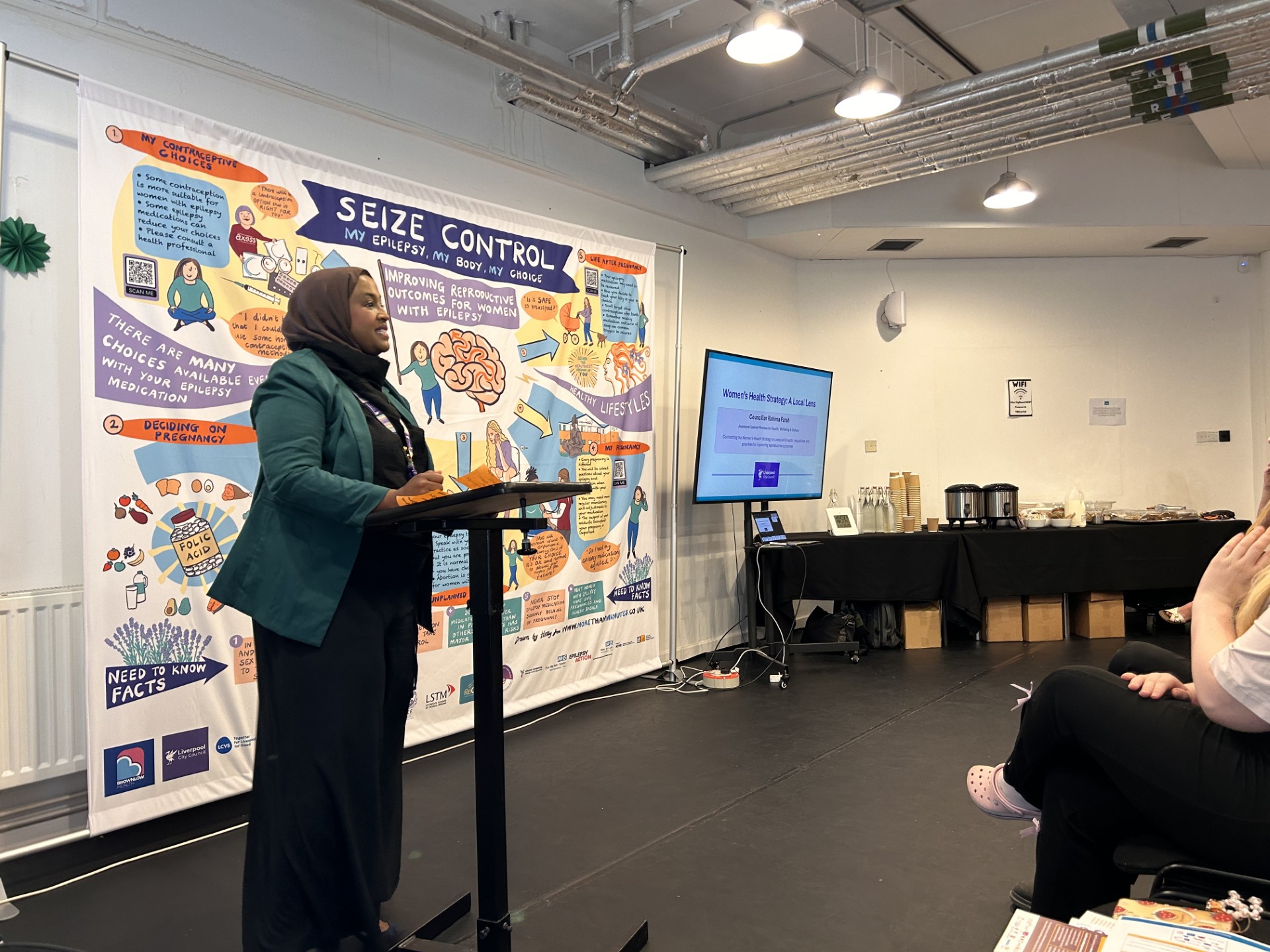
Liverpool City Council has welcomed the launch of a new community-led project that aims to improve reproductive health outcomes for women living with epilepsy and ensure their experiences help shape future services and support.
Seize Control: My Epilepsy, My Body, My Choice is a community-driven initiative based in Liverpool that focuses on supporting people living with epilepsy. The project is led by The Walton Centre and Community Innovation Teams as part of the ReCITE (Community-led Research for Health Equity) programme, in partnership with organisations across the city, including Liverpool City Council.
The initiative is raising awareness of reproductive health inequalities experienced by women with epilepsy and empowering people to take greater control of their health and wellbeing. Bringing together women with lived experience, community organisations, healthcare professionals and researchers, the project is exploring how reproductive health information, advice and support can be made more accessible, relevant and responsive to people’s needs.
For many people living with epilepsy, understanding treatment options, managing medications and making informed decisions about reproductive health and family planning can be complex. The project is focused on supporting patient autonomy by increasing knowledge, confidence and opportunities for people to have an active voice in decisions about their care.
It also seeks to address the specific challenges faced by women with epilepsy, including the impact that some epilepsy medications can have during pregnancy. Alongside reproductive health, the initiative takes a broader approach to wellbeing, recognising the importance of mental health, community support and quality of life in helping people manage their condition. This is particularly important given that women with epilepsy experience poorer health outcomes than women who do not have epilepsy, highlighting the need for more accessible information, tailored support and equitable healthcare services.
The launch event highlighted the importance of ensuring women with epilepsy have access to the information, support and services they need to make informed decisions about contraception, pregnancy and their wider reproductive health. It also reinforced the value of co-production, trusted community voices and meaningful public involvement in designing services that reflect people’s real experiences.
Councillor Rahima Farah, Assistant Cabinet Member for Health, Wellbeing and Culture for Liverpool City Council, said:
“Women have told us through Liverpool’s Women’s Health Report that they want to be listened to, and that their experiences should shape the services designed for them. Projects like this demonstrate the value of putting lived experience at the heart of decision-making and service improvement. This important work helps to deliver on some of the ambitions framed within the Women’s Health Report and also the Liverpool Sexual & Reproductive Health Strategy (2024-2030).
“By working directly with women and communities, we can better understand the barriers they face and develop services that are more responsive, inclusive and effective.”
Emma Ciclitira, Senior Public Health Practitioner for Liverpool City Council, said:
“Women living with epilepsy are experts in their own experiences. By listening to those experiences and working at a local level, we can better understand what matters to people and develop support that reflects the realities of their everyday lives.
“Trusted relationships are key to tackling health inequalities. Through our partnership with ReCITE, we have an opportunity to learn from communities, strengthen local networks and ensure women’s voices are at the centre of research, service development and decision-making.”
The project marks the beginning of a wider programme of work that will continue to engage women with lived experience of epilepsy across Liverpool. Findings from the project will help inform future approaches to improving reproductive health and reducing health inequalities, while strengthening the role of communities in shaping services.
The resource developed through the project will be made widely available across health and community settings throughout the Liverpool City Region, helping ensure that more women can access trusted, accessible information and support.
The next phase of the project will include establishing a Community of Practice model, bringing together partners and stakeholders to share learning and strengthen collaboration. The project will also recruit and support research champions who can help amplify community voices and champion the involvement of women in research and service development moving forward.
People looking for support can access a range of local services, including specialist neurology care through The Walton Centre, practical and emotional support through The Brain Charity, and advocacy and community support through the Mersey Region Epilepsy Association (MREA). For further information, support and advice, please visit the Epilepsy Action website: https://www.epilepsy.org.uk/
Liverpool City Council is committed to supporting initiatives that empower residents, champion lived experience and create healthier communities. Through partnerships such as ReCITE and Liverpool School of Tropical Medicine, the Council continues to develop innovative, community-led approaches that help ensure everyone has the opportunity to live healthy, fulfilling lives.
Anyone interested in getting involved with the project or finding out more can contact Jayne Hoarty at Jayne.Hoarty@lstmed.ac.uk.